Crime and Punishment in Kingdom Come: Deliverance 2: A Comprehensive Guide
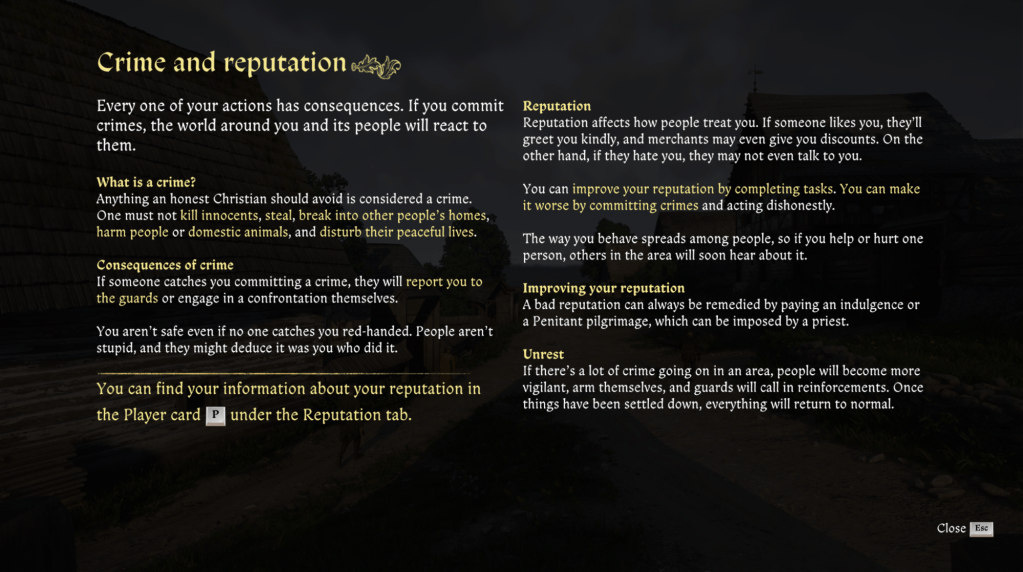
Crime in Kingdom Come: Deliverance 2 (KCD2) is far from a minor issue; it significantly impacts how the game world interacts with you. Actions like theft, trespassing, or even assaulting a peasant can lead to severe repercussions. This guide details the mechanics of crime and punishment within KCD2.
 Screenshot captured by The Escapist
Defining Criminal Activity in KCD2
Any action disrupting the law-abiding nature of KCD2 is considered a crime. The sequel boasts improved AI, making NPCs more perceptive to criminal activity. Consequences are inevitable, whether you're caught in the act or tracked down later. Crimes include:
- Murder: Killing innocent NPCs.
- Theft: Stealing from homes, shops, or unconscious NPCs.
- Lockpicking: Illegally accessing locked buildings or chests.
- Pickpocketing: Directly stealing from individuals.
- Assault: Attacking civilians or guards.
- Animal Cruelty: Harming domestic animals.
- Trespassing: Entering private property without permission.
- Disrupting Order: Causing disturbances in towns.
Dealing with Apprehension
 Screenshot captured by The Escapist
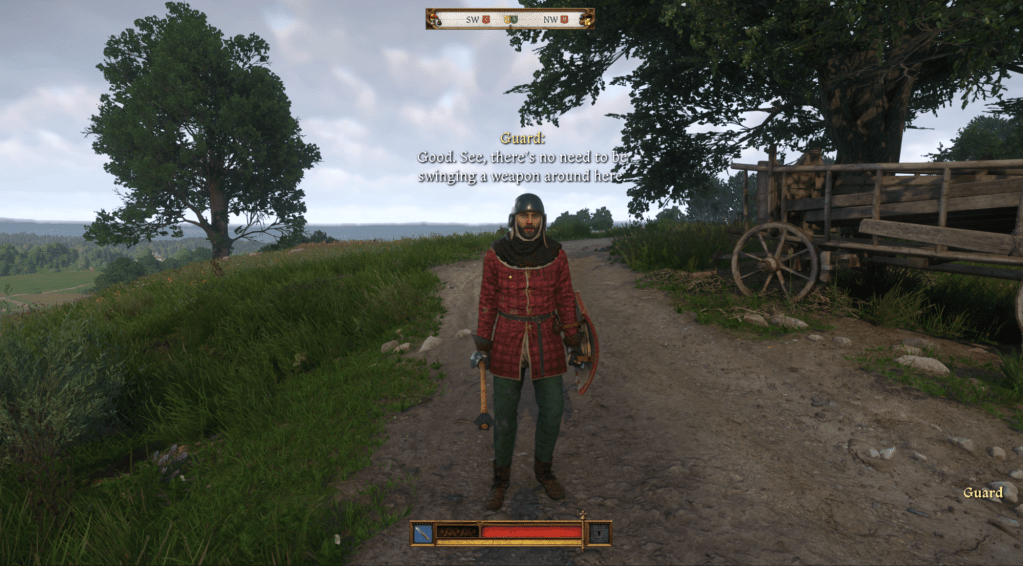
Guards and civilians will report criminal activity, triggering investigations. Upon capture, your options are:
-
Pay the Fine: The cost varies depending on the crime's severity. Minor offenses might cost a few Groschen, while murder could lead to bankruptcy or harsher penalties.
-
Talk Your Way Out: High Speech or Charisma skills can help you persuade guards to release you. This is more effective for minor crimes.
-
Flee: Escaping might be your only option, but it makes you a wanted man. Changing clothes or bribing officials can help avoid recognition upon returning to town.
-
Accept Punishment: If escape and bribery are impossible, you'll face the consequences.
The Spectrum of Punishment
 Screenshot captured by The Escapist
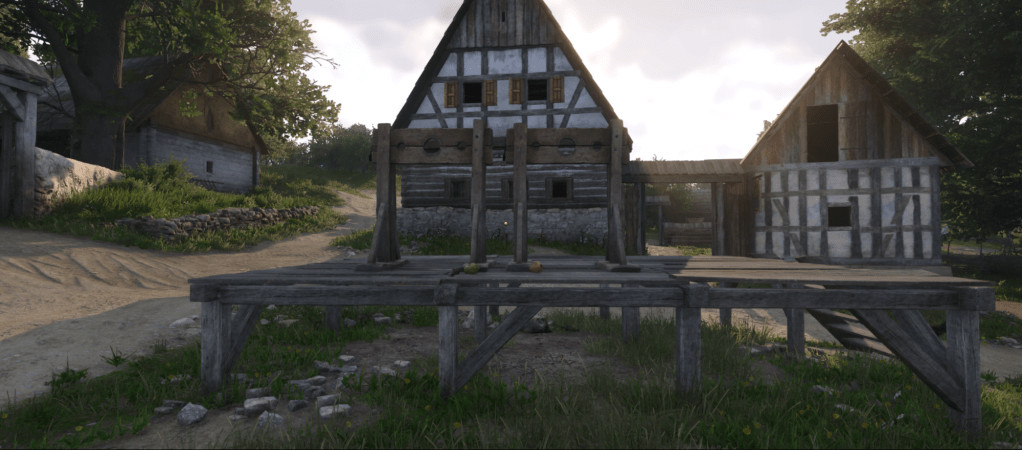
Punishments range from minor inconveniences to execution, depending on the crime's severity:
-
Pillory (Public Humiliation): A short sentence for minor offenses like trespassing. Damages reputation.
-
Caning (Physical Punishment): Public beating for mid-tier crimes like assault and theft, reducing health and stamina.
-
Branding (Permanent Criminal Status): Reserved for repeat offenders or serious crimes. Marks you as a criminal, affecting NPC interactions and trade.
-
Execution (Game Over): The ultimate penalty for severe crimes, often involving multiple murders.
Reputation Management
Reputation significantly impacts how NPCs treat you. Each town and faction tracks your reputation independently. A damaged reputation hinders interactions, quests, and trade, while a good reputation unlocks discounts, additional dialogue, and opportunities. Improving reputation requires community contributions, such as doing favors, donating, and paying fines.
Avoiding Capture
While the crime system is a core game mechanic, careful planning can minimize your chances of getting caught:
- Eliminate Witnesses: Assess your surroundings before committing a crime.
- Disguise: Change your appearance (hat, clothes) if spotted.
- Nighttime Operations: Commit crimes under the cover of darkness.
- Strategic Sales: Sell stolen goods to fences or black-market dealers, far from the crime scene.

 LATEST ARTICLES