Heim Nachricht Dragon Quest and Metapher: ReFantazio-Schöpfer diskutieren über stille Protagonisten in modernen Rollenspielen

Dragon Quest and Metapher: ReFantazio-Schöpfer diskutieren über stille Protagonisten in modernen Rollenspielen

Jan 07,2025 Autor: Lucy

Dragon Quest and Metaphor: ReFantazio Creators Discuss Silent Protagonists in Modern RPGs

Die Herausforderung stiller Protagonisten in modernen Rollenspielen: Eine Kollision der Standpunkte zweier erfahrener Entwickler

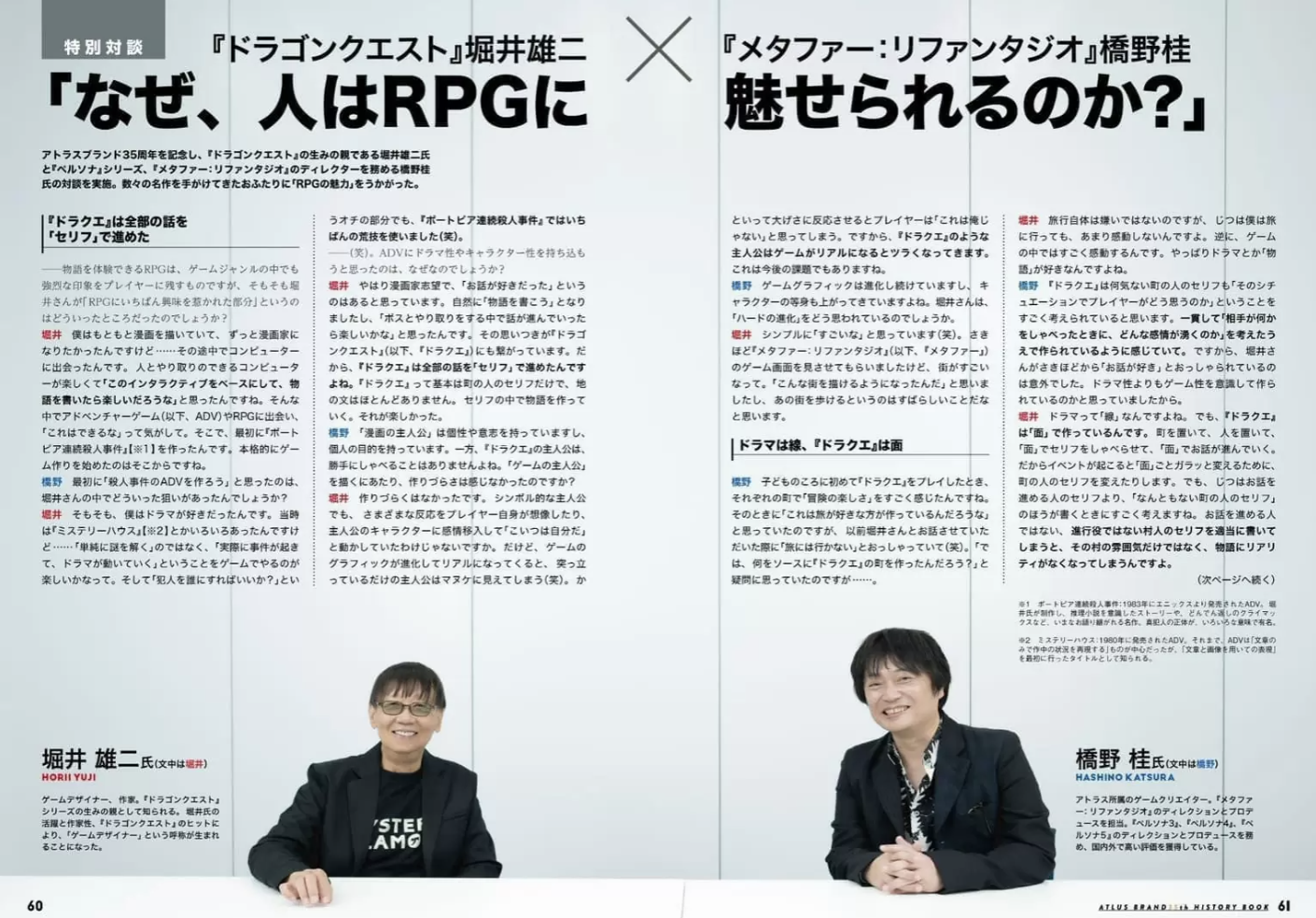
Yuji Horii, Regisseur der „Dragon Quest“-Reihe bei Square Enix, und Katsura Hashino, Regisseur von Atlus‘ kommendem Rollenspiel „Metaphor: ReFantazio“, diskutieren die Rolle stiller Protagonisten in Spielen vor dem Hintergrund moderner Fortschritte in der Spieltechnologie und Änderungen in der Spieleentwicklungsumgebung Die Anwendung wurde besprochen. Dieses Gespräch ist ein Auszug aus der kürzlich veröffentlichten Broschüre „Metaphor: ReFantazio Atlas Brand 35th Anniversary Edition“. Zwei RPG-Produzenten diskutieren über narrative Ansätze des Genres, einschließlich der Herausforderungen, denen sich Serien wie Dragon Quest gegenübersehen, wenn ihre Grafiken immer realistischer werden.
Dragon Quest and Metaphor: ReFantazio Creators Discuss Silent Protagonists in Modern RPGs

Der stille Protagonist von „Dragon Quest“: Herausforderungen im Wandel der Zeit

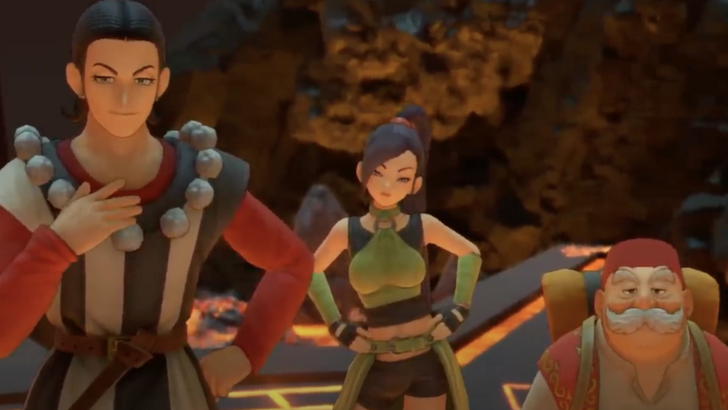
Eines der Kernelemente der Dragon Quest-Reihe ist der stille Protagonist, oder wie Yuji Horii es beschreibt, der „Token-Protagonist“. Silent Protagonists ermöglichen es den Spielern, ihre eigenen Emotionen und Reaktionen auf die Charaktere zu projizieren und so das Eintauchen zu verbessern. Diese stillen Charaktere dienen oft als Stellvertreter für den Spieler und interagieren mit der Spielwelt hauptsächlich über Dialogoptionen und nicht über gesprochene Zeilen.
Dragon Quest and Metaphor: ReFantazio Creators Discuss Silent Protagonists in Modern RPGs

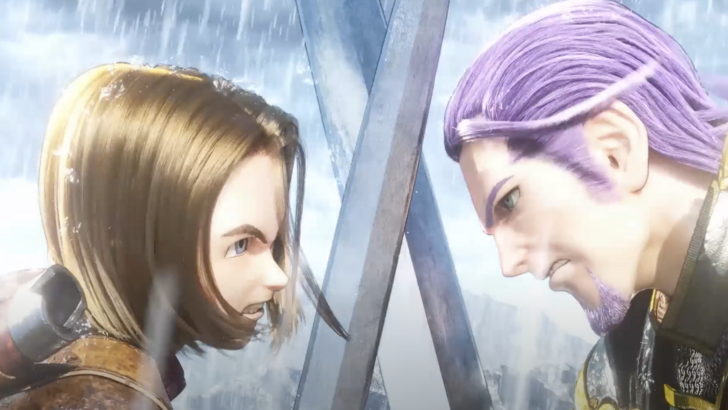
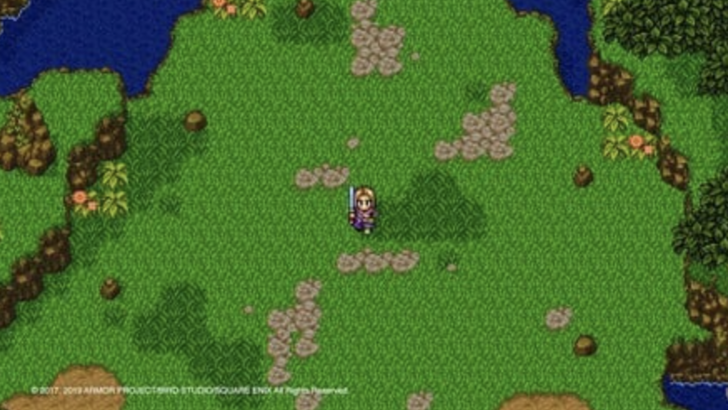
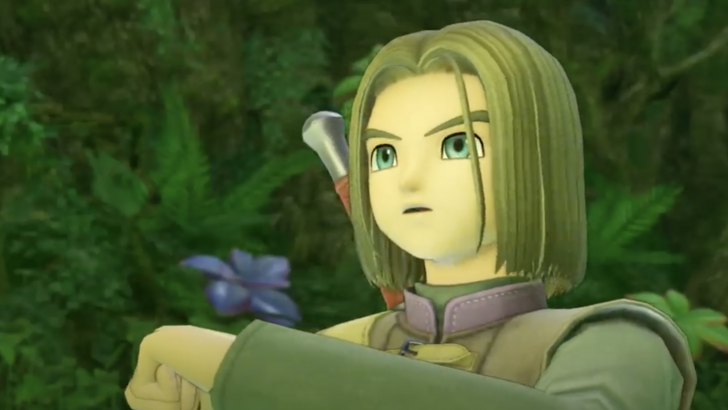
Horii Yuji erklärte, dass es einfacher und sinnvoller sei, einen stillen Protagonisten zu verwenden, da die Grafiken früher Spiele relativ einfach waren und keine detaillierten Charakterausdrücke oder Animationen zeigen konnten. „Da Spiele immer realistischer werden und der Protagonist einfach nur dasteht, wird er wie ein Idiot aussehen“, scherzte Horii.

Er erwähnte, dass sein ursprüngliches Ziel darin bestand, Cartoonist zu werden, und sein Interesse an der Erstellung von Geschichten und an Computern veranlasste ihn, in die Spielebranche einzusteigen. „Dragon Quest“ entstand aus seiner Leidenschaft und dem Setting des Spiels, die Geschichte durch die Interaktion mit dem Boss des Spiels voranzutreiben. „Dragon Quest besteht hauptsächlich aus Gesprächen mit Stadtbewohnern und enthält nur sehr wenige narrative Elemente. Die Geschichte entsteht durch Dialoge, und das macht den Spaß daran“, erklärt er.
Dragon Quest and Metaphor: ReFantazio Creators Discuss Silent Protagonists in Modern RPGs

Yuji Horii gab auch zu, dass es Herausforderungen gibt, diesen Ansatz in modernen Spielen beizubehalten, in denen realistische Grafiken für einen nicht reagierenden Protagonisten fehl am Platz wirken können. In den frühen Tagen von Dragon Quest bedeutete die minimalistische Grafik der NES-Ära, dass Spieler sich leicht ihre eigenen Emotionen und Reaktionen vorstellen konnten, um die Lücken zu füllen, die der stille Protagonist hinterlassen hatte. Da sich jedoch Details wie Spielgrafiken und Soundeffekte verbessern, räumt er ein, dass es immer schwieriger wird, einen stillen Protagonisten darzustellen.

„Deshalb wird es mit immer realistischeren Spielen immer schwieriger, den Typ des Protagonisten in Dragon Quest darzustellen. Das wird auch in Zukunft eine Herausforderung sein“, schloss der Schöpfer.
Dragon Quest and Metaphor: ReFantazio Creators Discuss Silent Protagonists in Modern RPGs

Regisseur von „Metaphor: ReFantazio“: Fokus auf das emotionale Erlebnis der Spieler

Dragon Quest ist eine der wenigen großen RPG-Serien, die immer noch einen stillen Protagonisten verwendet, der das ganze Spiel über schweigt, bis auf ein paar reaktive Geräusche. Andererseits enthalten RPG-Serien wie Persona seit Persona 3 Sprachausgabe für ihre Protagonisten in Schlachten und Zwischensequenzen. Hashino Keis kommendes Spiel Metaphor: ReFantazio wird einen voll vertonten Protagonisten haben.

Während Yuji Horii über den begrenzten emotionalen Ausdruck stiller Protagonisten in modernen Spielen nachdenkt, lobt Katsura Hashino das einzigartige und emotional reiche Erlebnis, das Dragon Quest bietet. „Ich denke, Dragon Quest hat viel Mühe darauf verwendet, darüber nachzudenken, wie sich Spieler in bestimmten Situationen fühlen würden“, sagte Hashino zu Horii, „sogar bei der Interaktion mit gewöhnlichen Stadtbewohnern entstehen, wenn jemand etwas sagt.“

Neueste Artikel

09

2026-03

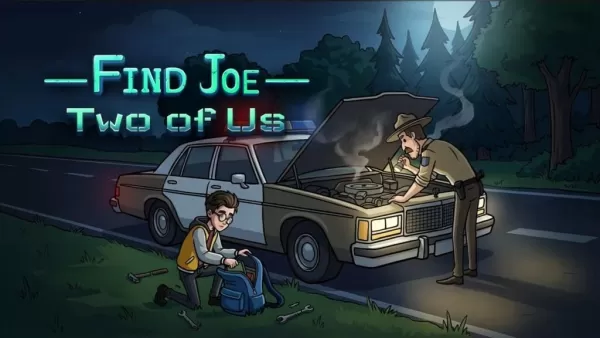
Find Joe: Two of Us is a critically acclaimed science fiction noir puzzle adventure game that blends atmospheric storytelling, intricate puzzles, and a haunting narrative. Developed by Dmitry Gudkov and published by Soggy Games, the game made a significant splash upon its release and has since gained a cult following for its unique art style, psychological depth, and emotional resonance. 📱 Release on Android: Yes, Find Joe: Two of Us has been released on Android. The mobile version was launched to bring its immersive experience to a wider audience, allowing players to enjoy the game on smartphones and tablets. Key Features of the Game: Genre: Sci-Fi Noir / Puzzle / Adventure / Psychological Thriller Platforms: Android, iOS, PC (Steam), and Nintendo Switch Language: English (with optional subtitles in other languages) Gameplay Style: First-person exploration, environmental puzzles, narrative-driven choices Art Direction: Stark, monochromatic visuals with subtle color accents—evoking a dreamlike, surreal atmosphere Themes: Identity, memory, duality, existential dread, and the search for self Story Overview: You play as a nameless protagonist who wakes up in a desolate, post-apocalyptic city. The world is eerily quiet, and you begin to uncover fragments of a forgotten past. Your journey leads you to a mysterious figure known only as Joe, and as you piece together memories, you realize that you may not be who you think you are. The game's central mystery revolves around dual identities, unreliable memory, and the blurred line between reality and illusion. As you progress, you face puzzles that challenge not only logic but perception itself—mirroring the game’s deeper philosophical questions. Why It’s Notable: Emotional Depth: Unlike many puzzle games, Find Joe: Two of Us is deeply emotional, leaving players questioning identity and truth. Ambiguous Ending: The ending is open to interpretation, fueling discussion and replayability. Cinematic Atmosphere: The sound design, music (by Felix Korte), and visual art create a dreamlike, almost cinematic experience. No Combat, No Rush: It’s a meditative game that encourages reflection, not speed. Availability on Android: Download: Available on the Google Play Store (search: Find Joe: Two of Us) Requirements: Android 6.0+ (varies by device; optimized for tablets and high-end phones) Price: Usually around $4.99 – $5.99, with occasional discounts Final Thoughts: Find Joe: Two of Us is more than a puzzle game—it's a psychological journey wrapped in sci-fi noir. Its release on Android makes it accessible to mobile gamers who appreciate slow-burn narratives and cerebral challenges. If you enjoy games like The Talos Principle, Outer Wilds, or What Remains of Edith Finch, this is a must-play. 👉 Tip: Play in a quiet environment. The game rewards patience, attention to detail, and emotional engagement. 🎮 Ready to find Joe? The city is waiting. And so are you.

https://images.qqhan.com/uploads/85/695d7863f0dea.webp

Absolutely — here's a polished and engaging version of your announcement, perfect for a press release, blog post, or social media teaser: Find Joe: Two of Us is Now Live on Android — A New Chapter in the Beloved Puzzle Adventure Series The next thri

Autor: LucyLektüre:1

08

2026-03

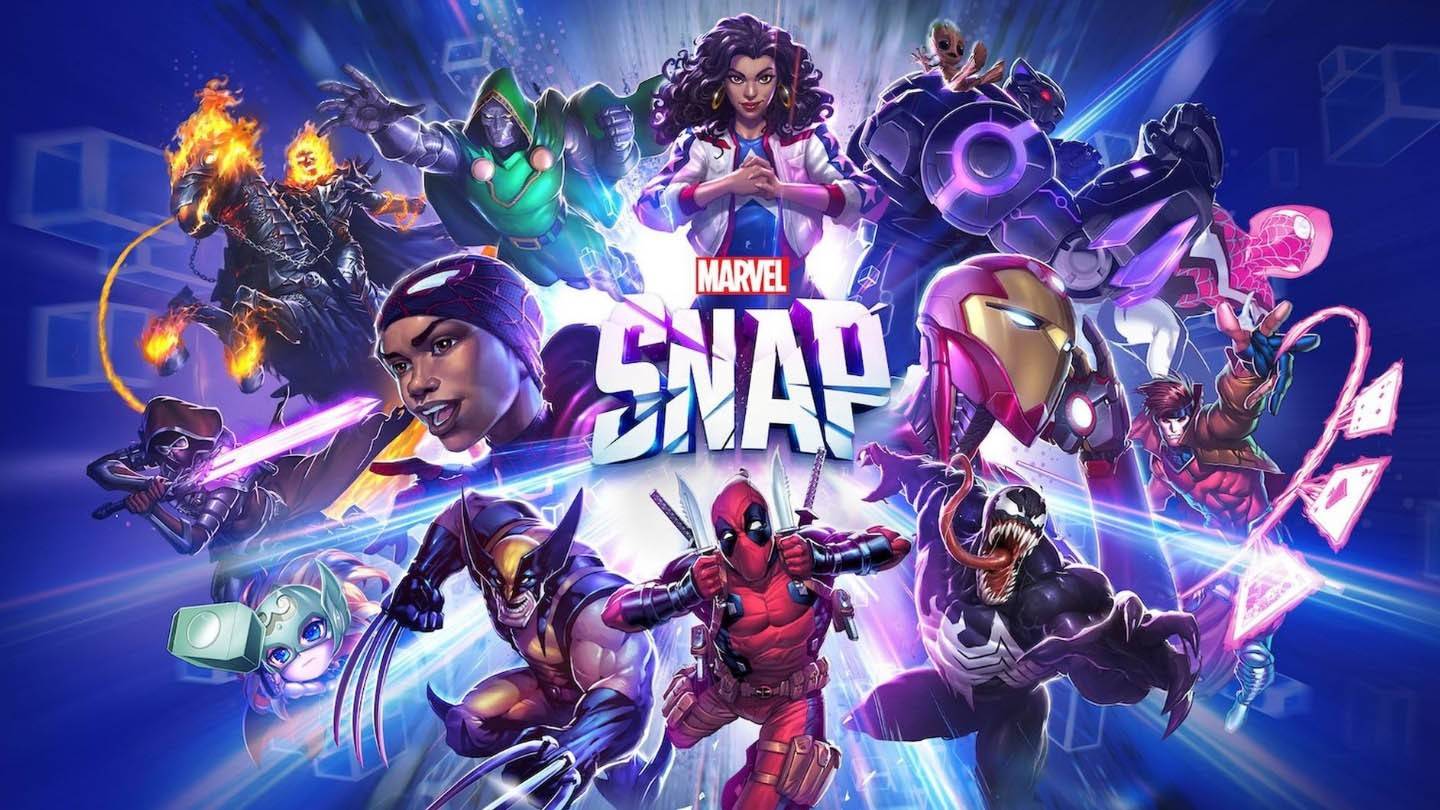
As of now, there is no verified connection between the TikTok ban and a U.S. block on Marvel Snap. Let's clarify the facts: TikTok Ban Discussions: The U.S. government has had ongoing discussions and legislative proposals regarding TikTok due to national security concerns over data privacy and foreign influence. In 2023 and 2024, several bills were introduced that would force TikTok to be sold or face a ban. However, no final ban has been implemented as of mid-2024, and legal challenges continue. Marvel Snap and the U.S. Market: Marvel Snap is a popular mobile card game developed by Second Dinner and published by High Moon Studios. It launched in 2022 and has been available on iOS and Android in the United States. There has been no official report or credible evidence suggesting that the U.S. government has blocked Marvel Snap due to the TikTok situation. No Direct Link: There is no known policy, regulation, or executive action that ties the TikTok ban directly to a ban on Marvel Snap. The two apps are unrelated in terms of ownership, platform, and regulatory risk. Conclusion: The claim that the TikTok ban "spurred" a U.S. block on Marvel Snap appears to be a misunderstanding or misinformation. Marvel Snap remains available in the U.S. and has not been blocked due to TikTok-related concerns. If you saw this claim on social media or a news site, it may have been exaggerated or satirical. Always verify such claims through reliable sources like official government statements, major tech news outlets (e.g., The Verge, Reuters, Bloomberg), or the game developer's official channels.

https://images.qqhan.com/uploads/11/1737277238678cbf36a1d2a.jpg

It appears that Marvel Snap—a critically acclaimed digital collectible card game developed by Second Dinner and published by Nuverse (a subsidiary of ByteDance)—has been unexpectedly pulled from both the iOS App Store and Google Play Store on January

Autor: LucyLektüre:2

08

2026-03

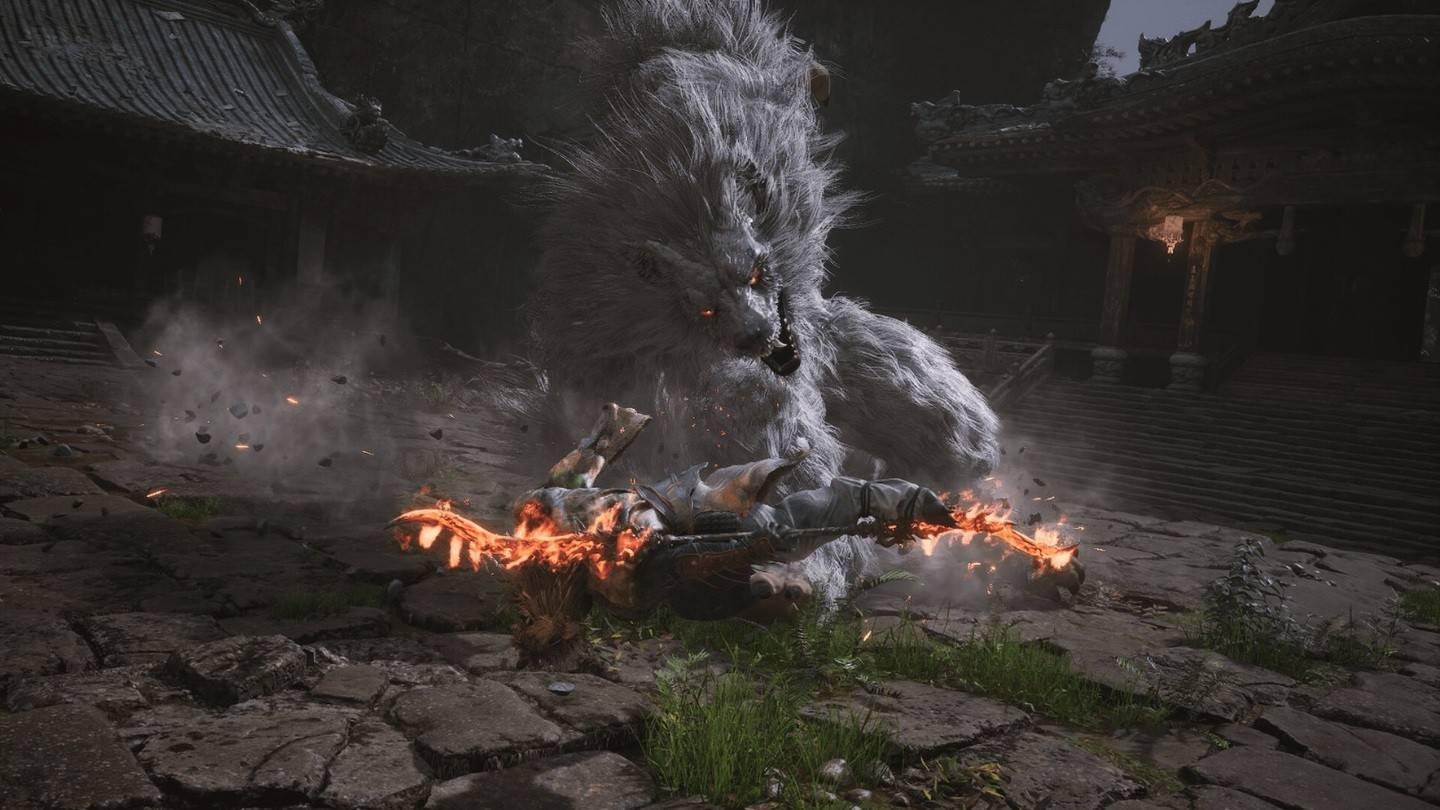
As of now, there is no credible evidence or widespread consensus among gaming communities that the developers of Black Myth: Wukong—Game Science—are using "lazy tactics." In fact, the game has been widely praised for its stunning visuals, fluid combat mechanics, and strong artistic direction, especially considering it's a debut title from a relatively small studio. Many players and critics have expressed admiration for the team’s ambition and technical prowess, particularly in areas like animation, environment design, and boss battles. The game’s success at events like The Game Awards and its strong reception on platforms like Steam (where it has over 90% positive reviews) further reflect its quality. While some minor critiques have been raised—such as occasional technical hiccups or pacing in certain sections—these are typical for any high-budget, ambitious game and don’t equate to "lazy" development. In fact, the team has been transparent about their iterative design process and dedication to polish. So, calling the developers "lazy" for their work on Black Myth: Wukong appears to be a mischaracterization, likely stemming from isolated or exaggerated criticism rather than a fair assessment of their effort and achievement. In short: The devs aren’t lazy—they’re highly skilled, and their work is widely respected in the gaming world.

https://images.qqhan.com/uploads/45/17359056956777d19f827a2.jpg

You're highlighting a complex and increasingly common tension in modern gaming: the clash between technical realism and player skepticism, particularly when it comes to hardware limitations and development transparency. Let’s break this down with con

Autor: LucyLektüre:2

06

2026-03

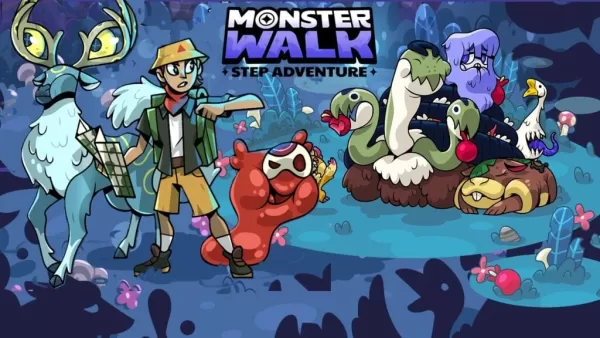
Monster Walk RPG startete in früher Android-Access-Phase

https://images.qqhan.com/uploads/03/6877beef04eaf.webp

Talofa Games hat Monster Walk, ihr neues Monster-Sammel-RPG, in die Early Access-Phase eingeführt. Das Spiel ist ab sofort in Großbritannien, Kanada, Schweden, Norwegen, Australien, Finnland und Dänemark für Android und iOS erhältlich, wobei eine vol

Autor: LucyLektüre:2