HomeNewsMarvel's Golden Era: Was the 1980s the Best Decade?
Marvel's Golden Era: Was the 1980s the Best Decade?
Apr 21,2025Author: Zachary
The 1970s were a turbulent time for Marvel Comics, marked by significant changes and the introduction of iconic storylines such as "The Night Gwen Stacy Died" and Doctor Strange's encounter with God. However, it was in the early 1980s that Marvel truly began to shine, with legendary creators delivering some of the most memorable runs in comic book history. This era saw Frank Miller's groundbreaking work on Daredevil, John Byrne's transformative stint on Fantastic Four, David Michelinie's influential Iron Man stories, and the peak of Chris Claremont's X-Men saga. Not to be overlooked are Roger Stern's Amazing Spider-Man and Walt Simonson's Thor, which were just around the corner. These creators and their works are pivotal in understanding the lasting appeal and success of these characters today.
When examining the entire history of the Marvel Universe, the 1980s stand out as a potential golden age for the company. Dive into Part 7 of our exploration of Marvel's essential issues to learn more!
More Essential Marvel
1961-1963 - The Birth of a Universe
1964-1965 - The Sentinels Are Born and Cap Dethaws
1966-1969 - How Galactus Changed Marvel Forever
1970-1973 - The Night Gwen Stacy Died
1974-1976 - The Punisher Begins His War on Crime
1977-1979 - Star Wars Saves Marvel From Bankruptcy
The Dark Phoenix Saga and Other All-Time X-Men Stories
Chris Claremont's legendary run on X-Men began in 1975, but it was during the early '80s that he produced some of the franchise's most iconic stories. The Dark Phoenix Saga, spanning X-Men #129-137, is undoubtedly the most celebrated X-Men tale. This epic narrative, co-plotted and illustrated by John Byrne, follows Jean Grey's transformation into the Dark Phoenix, influenced by the Hellfire Club, and her subsequent battle against her own corrupted nature. This story not only introduced key characters like Kitty Pryde (Shadowcat), Emma Frost, and Dazzler but also delivered one of the most emotionally charged moments in comic history with Jean Grey's ultimate sacrifice. Despite its adaptations in films like X-Men: The Last Stand and Dark Phoenix, the animated series have arguably captured the saga's essence more faithfully.
AnswerSee Results
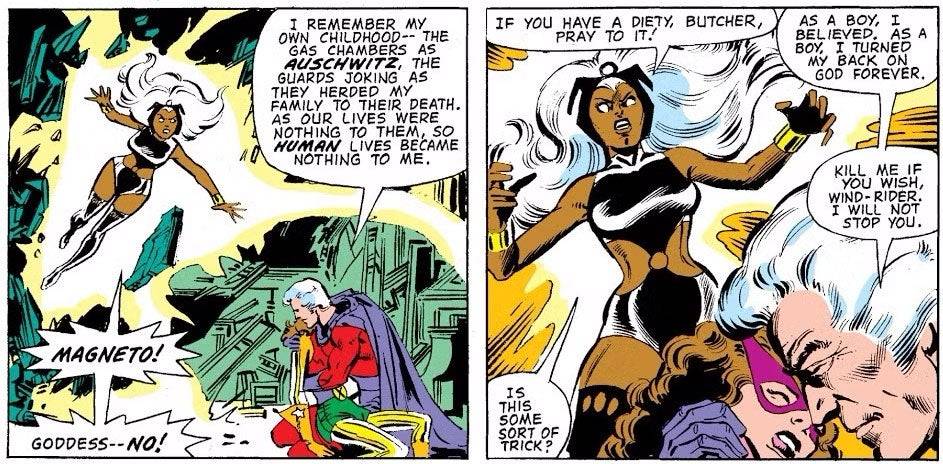
Following closely, Days of Future Past in X-Men #141-142 showcases a dystopian future ruled by Sentinels, with Kitty Pryde traveling back in time to avert a catastrophic event. This compact yet powerful story has been revisited in various forms, including the 2014 film and the animated series Wolverine & the X-Men. Finally, X-Men #150 delves into Magneto's Holocaust survivor backstory, a revelation that profoundly shaped his character's future development.
X-Men #150
The First Appearances of Rogue, She-Hulk, and the New Mutants
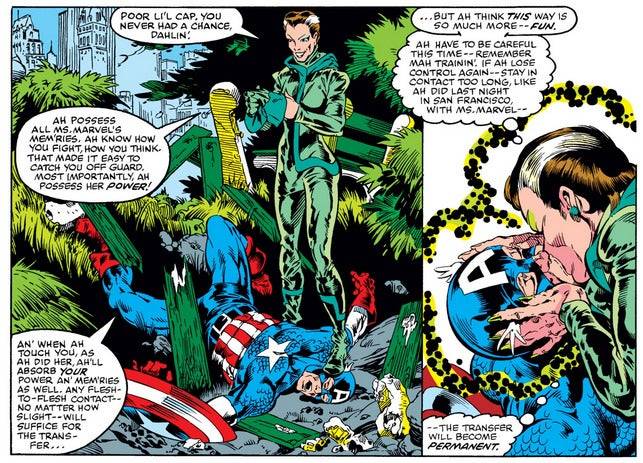
The 1980s also saw the debut of several significant characters, particularly female heroes. Rogue, initially introduced as a villain in Avengers Annual #10, quickly became a fan favorite after joining the X-Men. Her origin story, involving her absorbing Ms. Marvel's powers, marked a turning point for both characters. Another notable debut was She-Hulk in Savage She-Hulk #1, created by Stan Lee as Bruce Banner's cousin. While her initial series was less successful, She-Hulk's character flourished in subsequent team-ups with the Avengers and Fantastic Four, leading to her portrayal by Tatiana Maslany in the MCU series. The New Mutants, Marvel's first X-Men spin-off, introduced a new generation of mutant heroes in Marvel Graphic Novel #4, paving the way for their own series and later adaptations.
Rogue... as a bad guy in Avengers Annual #10.
Iconic Storylines for Daredevil, Iron Man, and Captain America
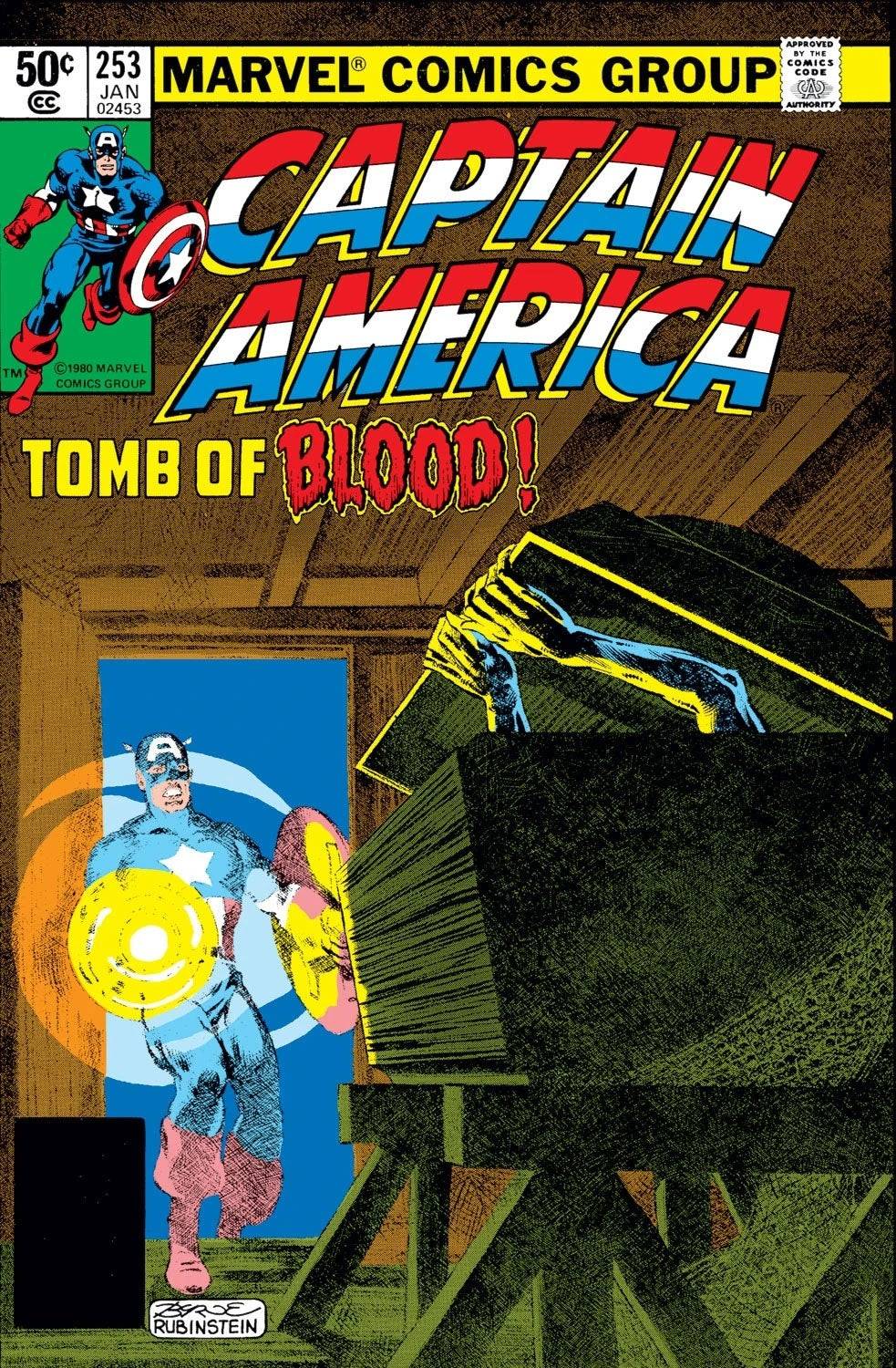
Frank Miller's run on Daredevil, beginning with issue #168, revolutionized the character with the introduction of Elektra and a darker, more noir-inspired narrative. This period included pivotal moments like the battle with the Punisher and Elektra's tragic death at the hands of Bullseye, setting the stage for future adaptations. Iron Man's Doomquest in issues #149-150, crafted by David Michelinie and Bob Layton, saw Tony Stark facing Doctor Doom in a time-traveling adventure to Arthurian legend, cementing Doom as a formidable foe in Iron Man's universe. Captain America's confrontation with the Nazi vampire Baron Blood in issues #253-254, illustrated by John Byrne, offered a darker, more intense storyline that showcased the hero's resilience and determination.
Captain America #253
Moon Knight Becomes a Hero and Marvel Helps Create the G.I. Joe Mythology
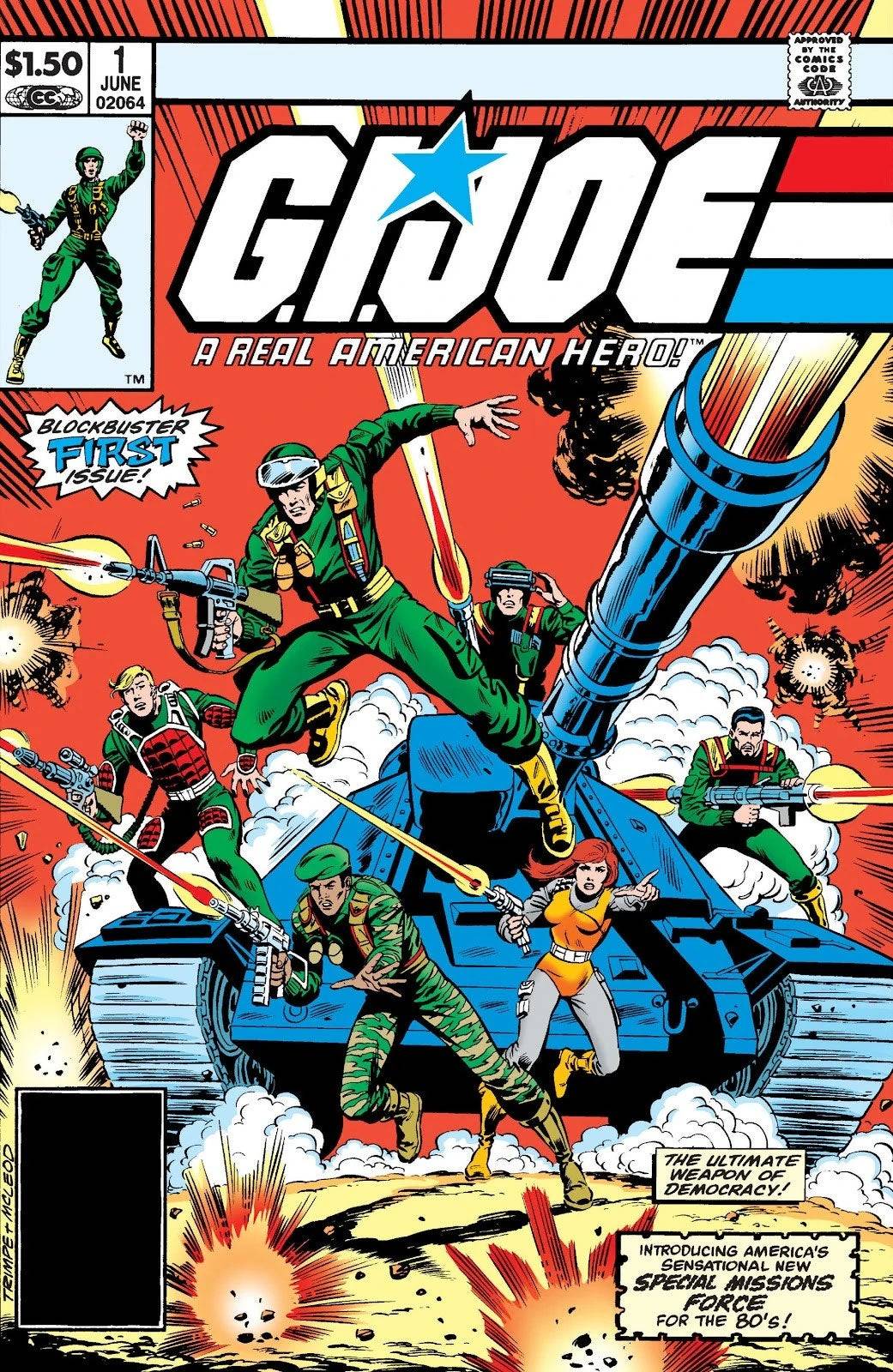
The period also saw the launch of Moon Knight's solo series, solidifying his transition from antagonist to hero and introducing his complex alternate identities. Meanwhile, Marvel's involvement with G.I. Joe, starting with the comic series in 1982, played a crucial role in developing the franchise's extensive cast of characters. Larry Hama's work on the series not only made it one of Marvel's most popular titles but also attracted a significant female readership, thanks to the strong portrayal of its female characters.
1047 Games, the developer behind Splitgate 2, has announced an unspecified number of layoffs, with studio co-founders stepping down from their salaries as they strive to revitalize the project.The free-to-play shooter, often described as ‘Halo meets
ZiMAD’s Magic Jigsaw Puzzles is celebrating its 14th anniversary this month with the launch of special packs designed to enhance accessibility for all players.What Makes the Monochrome Puzzle Packs Special?The new Monochrome Puzzle Packs feature hi
If you've been looking for a reasonably priced Blackwell GPU from a trusted seller, now's your opportunity. Amazon Prime members can exclusively purchase the Gigabyte GeForce RTX 5070 Windforce OC 12GB Graphics Card at $609.99 with free shipping – an
Monmate Master: Idle Adventure is a captivating idle RPG that blends creature collection, strategic combat, and hands-off progression. Though it seems straightforward at first because of its idle mechanics, the game hides considerable depth. From sum

 LATEST ARTICLES